

 RSMUS.com
Most organizations say they manage hardware when they really track devices.
They can produce a list of laptops, serial numbers, assigned users, and maybe a location. That is useful, but it is not the same as controlling the hardware lifecycle.
A device list tells you what the record says today. Lifecycle management tells you how the device got there, what should happen next, and who is accountable when reality does not match the record.
Tracking is a snapshot. Lifecycle management is a chain of decisions.
 The lifecycle begins before a device exists in inventory. Someone requests equipment. The organization decides whether to fulfill it from stock, transfer it from another location, or buy it. Approval, sourcing, cost, standards, and delivery expectations are established at that point.
Receiving is the next control point. This is where the physical device, purchase information, model, serial number, stockroom, and condition should come together. If receiving is weak, the organization starts the lifecycle with bad data and spends the rest of the device’s life trying to repair it.
Deployment is more than changing a status to “in use.” It is a custody event. The organization should know who received the device, where it went, when it was deployed, what request authorized it, and whether the prior asset was recovered.
Support is part of the lifecycle too.
Incidents, repairs, swaps, loaners, moves, and changes can affect condition, location, assignment, warranty decisions, and refresh timing. That does not mean every service ticket should automatically rewrite the asset record. It means the process should identify which service events matter and how those events are governed.
Recovery closes the loop. When an employee leaves, changes roles, or receives a replacement, the old asset must be returned, evaluated, and routed to reuse, repair, resale, or disposal. Without that step, the company has not completed the lifecycle. It has simply lost visibility at the most expensive point.
This is where ITSM naturally connects to Hardware Asset Management.
Service requests, catalog tasks, fulfillment work, incidents, and employee lifecycle events often carry the work that moves an asset between lifecycle stages. Hardware Asset Management provides the asset control and lifecycle workflows. ITSM provides many of the operational interactions that initiate, coordinate, or document that work. The value comes from designing them together, not from forcing every process into one module.
The newest capabilities do not change that basic rule.
ServiceNow can now automate more of the hardware request process, standardize receiving, guide refresh and reclamation, support structured disposal, and use AI agents or generated insights in more advanced environments. Those capabilities can reduce administrative effort. They cannot compensate for unclear ownership, inconsistent states, missing handoffs, or a receiving process that nobody follows.
For a Crawl organization, the next move is to document the lifecycle, owners, states, and minimum data. A Walk organization should connect requests, receiving, deployment, support, refresh, and recovery. Run organizations can measure cycle time, stranded stock, refresh backlog, recovery rates, exceptions, and cost. Fly organizations can selectively introduce advanced automation and AI where the process is already trusted.
Do not measure success by how many devices are in the system.
Measure whether the organization can move a device through its lifecycle without losing ownership, control, or evidence along the way.
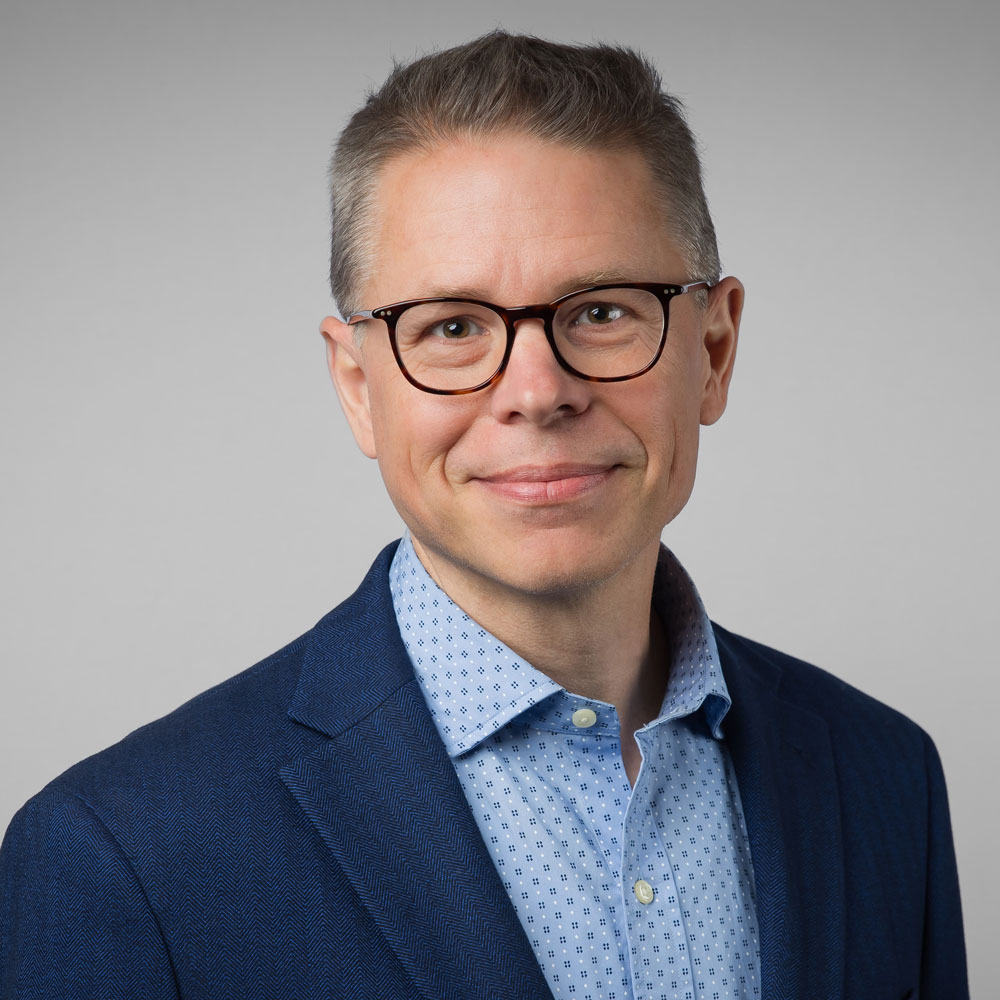
Mike Lavengood
Manager, ServiceNow Practice, RSM. Mike is an Engagement Manager in RSM US LLP’s ServiceNow practice, specializing in IT Asset Management, including Hardware Asset Management, Software Asset Management and Enterprise Asset Management. He helps organizations turn complex asset and process challenges into practical strategies that improve governance, data quality, operational efficiency and business outcomes. Mike brings a blend of technical, functional and program leadership experience to his work. He leads complex ServiceNow implementations, advises clients on ITAM maturity and operating models, and helps project teams connect platform capabilities to measurable business value. His approach emphasizes transparency, strong delivery discipline and solutions that clients can successfully sustain after implementation. Mike holds a bachelor’s degree in computer science and an MBA. His professional credentials include PMP, ServiceNow Certified System Administrator, and ServiceNow certifications in IT Service Management, Hardware Asset Management and Software Asset Management.